

"Building materials include a wide range of substances and products that are essential for the construction and renovation of buildings. These materials play a crucial role in providing strength, durability, insulation, and aesthetic appeal to structures. Here is an in-depth exploration of what building materials typically include:

Structural Materials:
- Concrete: One of the most commonly used building materials, concrete is a composite material made from cement, water, sand, and aggregate. It has excellent compressive strength and is used for foundations, walls, beams, and columns. Concrete can be cast in various forms and can be reinforced with steel bars (rebar) to enhance its tensile strength.
- Steel: Steel is a highly durable and strong material that is widely used in construction. It is used for structural frames, reinforcing bars, roofing, and cladding. Steel beams and columns provide excellent strength-to-weight ratio, allowing for the construction of tall and large buildings. It is also resistant to fire and can be easily fabricated and welded.
- Wood: Wood has been used in construction for centuries due to its availability, ease of workability, and aesthetic appeal. It is used for framing, flooring, roofing, and decorative elements. Different types of wood, such as softwood and hardwood, have different properties and are suitable for different applications. Wood can be treated with preservatives to increase its durability and resistance to rot and pests.
Thermal Insulation Materials:
- Insulation Boards: These are lightweight materials that are used to insulate buildings against heat loss or gain. Common types of insulation boards include expanded polystyrene (EPS), extruded polystyrene (XPS), and mineral wool. EPS and XPS are rigid foam boards that provide excellent insulation properties, while mineral wool is a fibrous material that offers good thermal and acoustic insulation.
- Insulating Glass: Insulating glass units (IGUs) consist of two or more panes of glass separated by a spacer and filled with a gas, such as argon or krypton. This reduces heat transfer through the glass, improving the energy efficiency of windows. IGUs also help to reduce noise transmission and provide better weather resistance.
- Thermal Insulation Materials for Walls and Roofs: Materials such as expanded perlite, vermiculite, and cellulose are used for insulating walls and roofs. These materials have good thermal insulation properties and can be blown or sprayed into place. They help to maintain a comfortable indoor temperature and reduce heating and cooling costs.
Finishing Materials:
- Plaster and Drywall: Plaster is a traditional finishing material that is applied to walls and ceilings to provide a smooth and even surface. Drywall, also known as gypsum board, is a widely used alternative to plaster. It is made from gypsum plaster sandwiched between two layers of paper. Drywall is easy to install, provides a smooth finish, and can be painted or decorated easily.
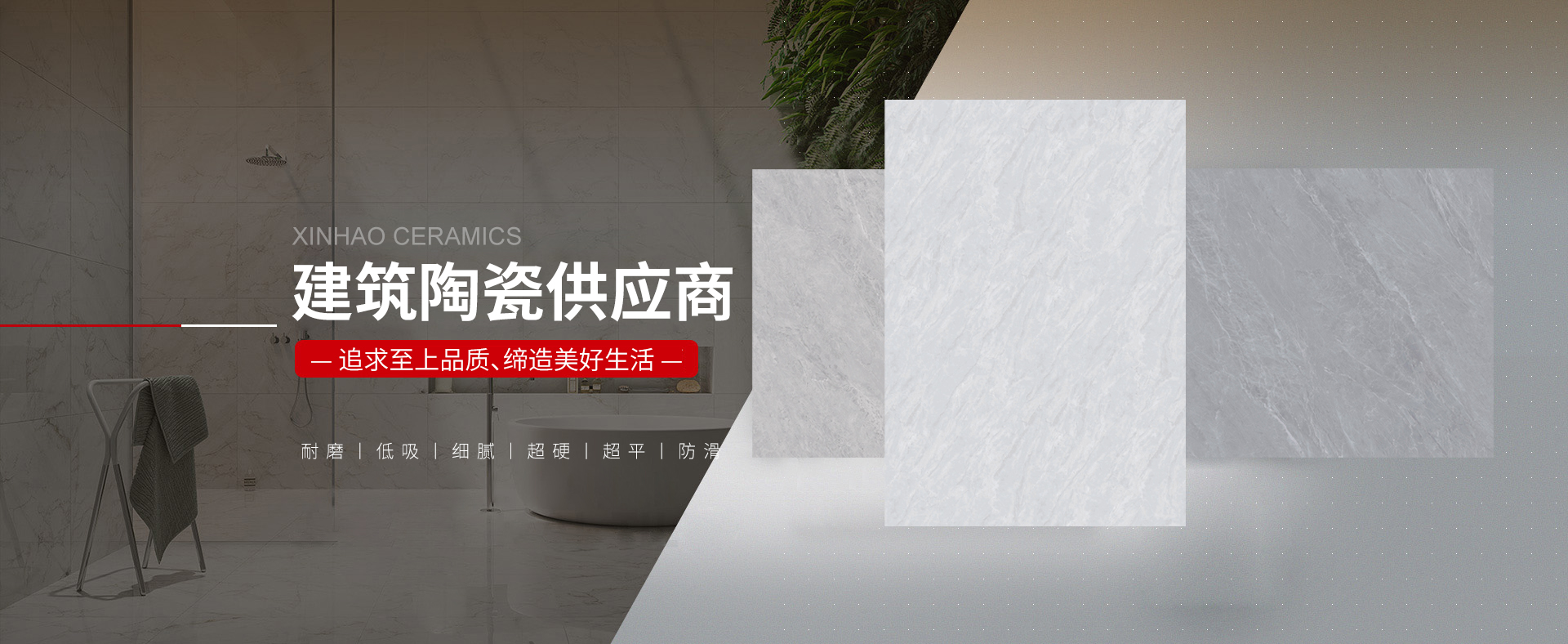
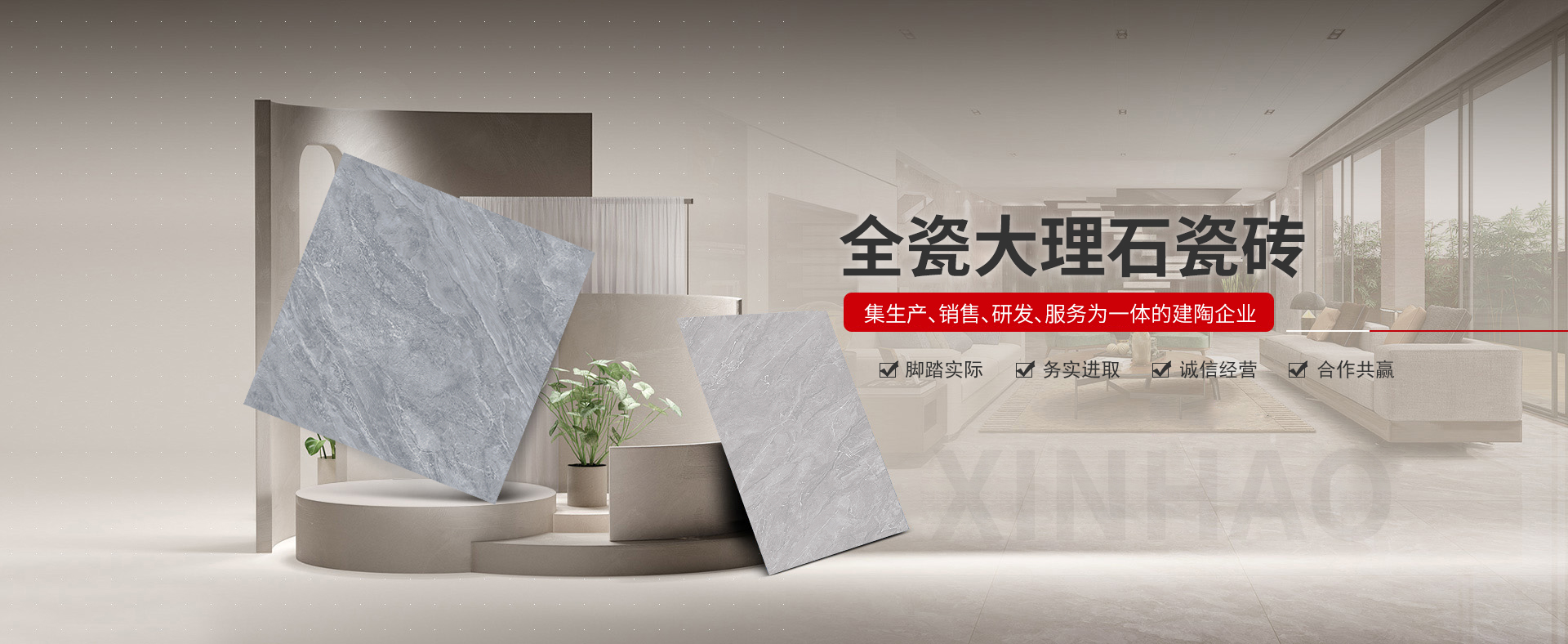
- Ceramic Tiles: Ceramic tiles are commonly used for flooring, walls, and backsplashes. They come in a variety of colors, patterns, and sizes and are available in glazed or unglazed varieties. Ceramic tiles are durable, easy to clean, and resistant to moisture and stains.
- Paint and Coatings: Paint and coatings are used to protect and enhance the appearance of building surfaces. They provide a decorative finish and can also help to protect against moisture, UV radiation, and corrosion. Different types of paints, such as latex paint and oil-based paint, have different properties and are suitable for different surfaces.
Waterproofing Materials:
- Bitumen Membranes: Bitumen membranes are flexible sheets made from bitumen and reinforced with fibers or fabrics. They are used to waterproof roofs, foundations, and other waterproofing applications. Bitumen membranes are durable, resistant to weathering, and provide excellent waterproofing performance.
- Waterproofing Cements and Adhesives: These materials are specifically designed to provide waterproofing properties to concrete and other building materials. Waterproofing cements contain additives that prevent the penetration of water, while waterproofing adhesives are used to bond waterproofing membranes and other waterproofing products.
- Sealants: Sealants are used to seal joints, cracks, and gaps in building materials to prevent the entry of water and moisture. They can be used for sealing windows, doors, joints in walls and floors, and other areas where water may penetrate.
Decorative Materials:
- Marble and Granite: Marble and granite are natural stones that are widely used for flooring, countertops, and decorative accents. They have a beautiful appearance and add a touch of elegance to buildings. Marble is known for its soft texture and veining, while granite is more durable and resistant to scratches.
- Stainless Steel: Stainless steel is a popular choice for decorative elements due to its durability, corrosion resistance, and modern appearance. It is used for handrails, balustrades, door fittings, and other decorative applications. Stainless steel can be polished to a high shine, adding a sleek and sophisticated look to buildings.
- Glass and Mirrors: Glass and mirrors are used for various decorative purposes, such as creating visual partitions, adding light to spaces, and reflecting surfaces. Glass can be colored, textured, or patterned to create unique effects. Mirrors are used to enhance the sense of space and add a reflective element to rooms.
In addition to the above-mentioned materials, there are many other specialized building materials available, such as acoustic materials, fireproofing materials, and flooring materials like carpet and vinyl. The choice of building materials depends on various factors, including the intended use of the building, climate conditions, architectural design, and budget. By carefully selecting and using the appropriate building materials, architects and builders can create safe, durable, and aesthetically pleasing structures.
In conclusion, building materials encompass a diverse range of substances and products that are essential for the construction and renovation of buildings. From structural materials to finishing materials and decorative elements, each type of material plays a specific role in ensuring the quality and functionality of a building. Understanding the properties and uses of different building materials is crucial for architects, builders, and homeowners alike in order to make informed decisions and create sustainable and beautiful buildings."
